The Real Math Behind Slots, Poker and Sports Betting
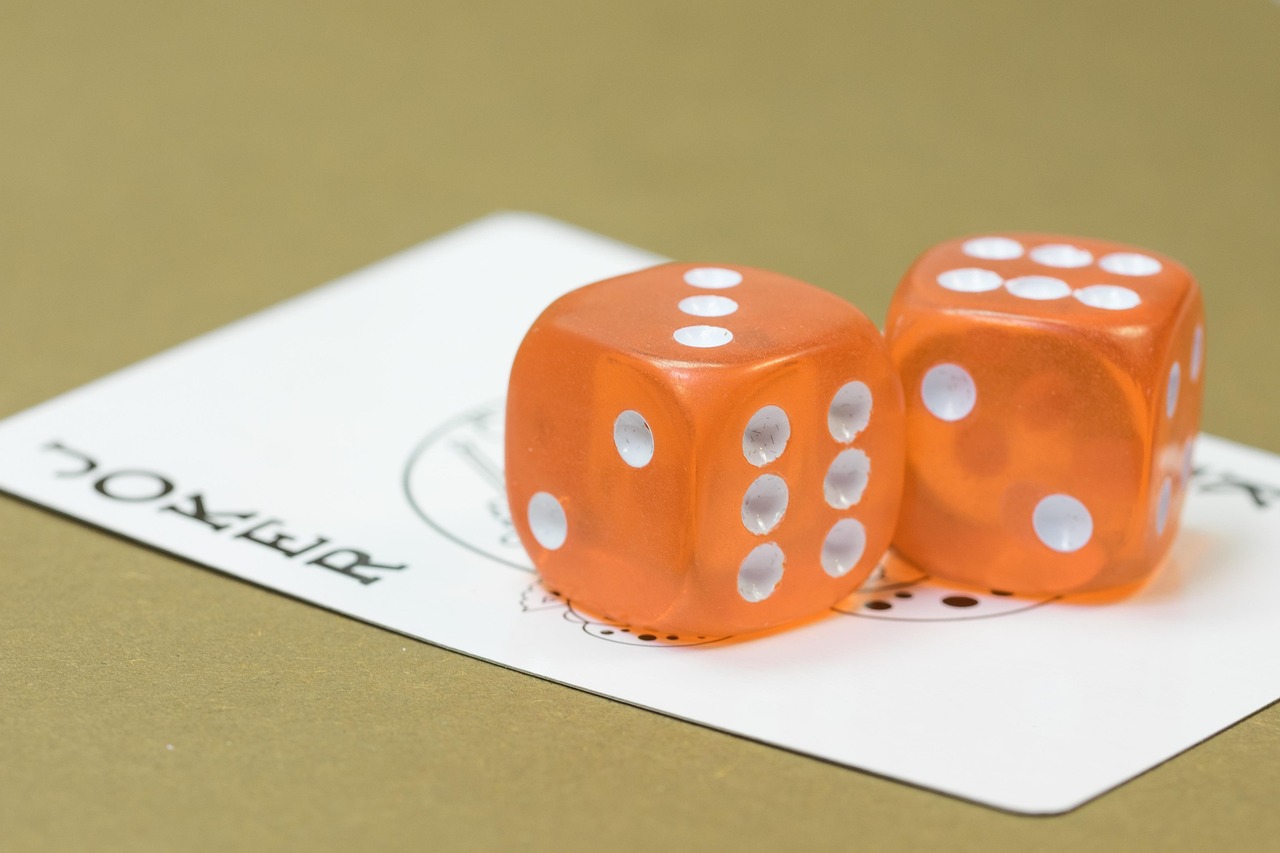
Strip away the neon, the bonus pop-ups and the slick app interfaces, and iGaming is a maths business. Every spin, every hand, every 90th-minute accumulator is governed by numbers that were decided long before you clicked anything. The players who last — and the operators who profit — are the ones who understand this. The rest are just feeding the machine. Here's what's actually going on under the hood.
RTP, House Edge and Why "Due a Win" Is Nonsense
Every casino game carries a return-to-player percentage. A slot with 96% RTP returns, on average, €96 for every €100 wagered — but that average is calculated over millions of spins, not your session. The remaining 4% is the house edge, and it compounds the longer you play. On a €1 spin at 500 spins per hour, that's roughly €20/hour bleeding out in expectation, regardless of whether you're up or down. slot depo 5k goes into the finer points.
The critical misunderstanding is the gambler's fallacy: the belief that a machine that hasn't paid out in an hour is "due." Modern slots use random number generators that have no memory. A slot that hasn't hit a bonus in 2,000 spins is exactly as likely to hit on the next spin as it was on the first. Cold streaks aren't debt. They're just variance doing what variance does.
Where RTP becomes genuinely useful is comparison shopping. Two slots can look identical and sit at 94% and 96.5%. Over 10,000 spins at €1, that 2.5% gap is €250 of expected loss. Check the paytable or the game info screen before you commit — regulated operators in the UK, Malta and Sweden are required to publish it.
Volatility: The Setting Nobody Talks About
RTP tells you the long-run return. Volatility tells you the ride. A low-volatility slot like Starburst pays small, frequent wins — good for stretching a bankroll. A high-volatility monster like Book of Dead or Money Train can go 300 spins without a meaningful hit, then return 5,000x on a single bonus round. Neither is "better." They suit different sessions.
- Low volatility: frequent small wins, ideal for grinding a bonus with wagering requirements.
- Medium volatility: the balanced middle ground most casual players actually want.
- High volatility: rare but massive payouts; requires a bankroll of at least 200–300 spins to survive dry spells.
A useful rule: split your bankroll by 100 and that's your spin size. €500 bankroll means €5 spins, which gives you enough runway to actually reach the bonus rounds that make high-volatility games worth playing.
Poker Is Not Gambling — It's Applied Decision Theory
Poker belongs in a different universe from slots because you play against other people, not a machine with a fixed edge. The house takes a rake, sure — typically 5% capped at €3 in a €1/€2 cash game — but every other euro is decided by skill. That's why winning players exist year after year.
The modern game is brutally solved at the lower stakes. Preflop ranges are memorised, continuation-bet frequencies are standardised, and anyone playing by "feel" gets crushed by a solver-trained regular. If you're starting out, the edge comes from three places:
- Position. Acting last gives you information. Play tight from early seats, widen significantly on the button.
- Bankroll management. Never sit with more than 5% of your poker roll in a cash game; 2% is safer. Tournaments need 50–100 buy-ins.
- Table selection. A mediocre player at a soft table beats a good player at a tough one. Watch for tables with high flop-seen percentages and short stacks.
The most common leak isn't bad bluffs — it's calling too much. Recreational players hate folding. Fold more, and your win rate climbs immediately.
Sports Betting: Beating the Closing Line, Not the Bookie
Sports betting is a market, and like any market it has an efficient price. The closing line — the odds just before kickoff — is the sharpest number available. If your bets consistently beat the closing line, you're a long-term winner, even if individual results swing wildly.
Two practical realities most punters ignore:
- Bookmakers aren't charities. They build 5–8% margins into two-way markets like tennis or basketball moneylines. You're not betting against the odds; you're betting against a built-in tax.
- Accas are entertainment, not strategy. A 6-leg accumulator multiplies the bookmaker's margin along with the odds. Each leg is a separate negative-expectation bet, and combining them compounds the house edge, not your edge.
If you want an actual approach, focus on niche markets — lower-league football, player props, Asian handicaps — where books are slower to adjust. Line shopping across three or four books is the single easiest edge, often worth 2–3% per bet, which is the difference between profit and loss at the margins.
Bonuses, Terms and the Small Print That Costs You
Welcome bonuses look generous until you read the wagering requirements. A €100 bonus with 35x wagering means you must bet €3,500 before withdrawing. Factor in a 96% RTP and the expected loss from clearing that bonus is around €140 — more than the bonus itself. Not every offer is bad, but the maths rarely favours the player.
Look for these instead: low wagering (under 20x), no maximum cashout caps, game weighting that includes slots at 100%, and reasonable time limits. A €50 bonus at 10x with no cap is worth more than a €200 bonus at 40x with a €500 cashout limit.
The Conclusion Most Players Never Reach
None of this is a secret. It's printed on every paytable and buried in every terms page. The industry doesn't hide the maths; it counts on players not bothering to do it. That gap — between the informed and the entertained — is where every euro of operator profit lives.
You don't need to become a spreadsheeting grinder to enjoy iGaming. But knowing your RTP from your volatility, your rake from your rake back, and your closing line from your opening price changes the experience entirely. You stop being a passenger. Slots become a budgeted entertainment spend, poker becomes a study, and sports betting becomes a market you can actually read. The house always has an edge. It just doesn't have to be an unexamined one.