A Checklist for Building a Home Library on a Budget in a Small Flat
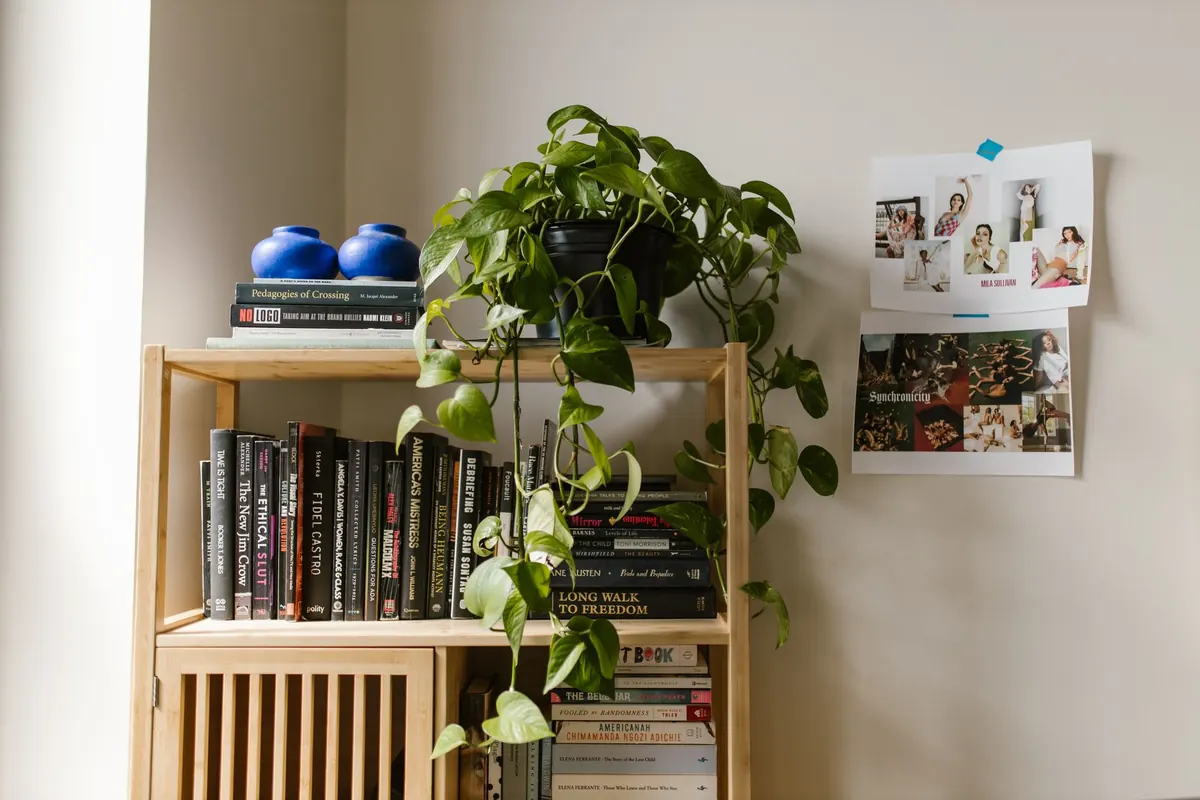
Books have a way of filling a flat. One shelf becomes two, paperbacks stack on the floor, and suddenly the bedside table is a small, unstable library. You do not need a spare room or a generous budget to build a collection you love. You need a plan, a few good sources, and storage that works with the space you have. This checklist is for readers in flats, bedsits and shared houses who want more books without losing the floor.
Start with a realistic book audit
Before buying or shelving anything else, look at what you already own. Pull everything out if you can, or work shelf by shelf. Make three piles: keep, read soon, and let go. Be honest. That thriller you disliked will not become better on a third attempt. Duplicates, outdated reference books and damaged copies can go.
Ask yourself:
- Have I read it, and will I read it again?
- Do I need it for work, study or a project this year?
- Could I borrow it from the library instead?
- Does it have sentimental value that justifies the shelf space?
Aim for a collection that reflects your current reading life, not every passing interest. Once you know roughly how many books you are keeping, measure the shelf space they need. A standard paperback takes little room; hardbacks and art books need depth and stronger shelves. Knowing this stops you buying a bookcase that looks right but holds half your collection.
Where to find affordable books in the UK
The cheapest books are often the ones already circulating in your area. Charity shops are the obvious starting point, especially those in towns with a good turnover. Oxfam, British Heart Foundation and local hospice shops often have a decent fiction section. Go on a weekday if you can; weekends can leave the best stock picked over.
Other reliable sources:
- Library sales and withdrawn stock — libraries sometimes sell old copies to raise funds.
- Car boot sales, jumble sales and church fairs — arrive early for the best boxes.
- Second-hand bookshops — more curated, but still worth browsing for older editions.
- Online marketplaces and second-hand sites — good for specific titles, but check postage before buying.
- Freecycle, Freegle and local giveaway groups — people often pass on boxes of books when moving.
- Book swaps, community book boxes and little free libraries — take one, leave one.
Use your public library for the books you want to read once. Buy the ones you will revisit, lend or annotate. That single rule saves more space and money than any clever shelf.
Shelving and storage for small flats
Books are heavy. A full shelf can weigh more than you expect, so fixings matter more than style. If you rent, check your tenancy agreement before drilling. If you are unsure, ask your landlord or letting agent. Freestanding bookcases should be secured to the wall, especially in homes with children or pets.
Use height, not floor space
Look at the walls above doors, beside windows and in alcoves. Wall-mounted shelves and floating shelves keep the floor clear. A tall, narrow bookcase often fits where a wide one will not. If you have a chimney breast, shelves in the alcoves can look built-in without the cost.
Think about depth and arrangement
Standard bookcases are often deeper than paperbacks need. You can use the extra depth for a second row of smaller books, though it makes the back row harder to reach. A better option is to measure and buy shelves that suit your books. Arrange by size first, then by subject or author. Tall books at the bottom, paperbacks at eye level. This looks calmer and uses the space efficiently.
Hidden storage
Under-bed boxes, ottoman storage and shallow drawers can hold books you are not reading this season. Keep them dry and away from radiators and damp walls. A closed cupboard or a lidded crate protects books from dust and light. Rotate your collection: keep current reads out, store the rest.
Make furniture work harder
In a small flat, every piece of furniture should earn its place. A bed with drawers, a bench with storage, a side table with a lower shelf, or a ladder shelf in a corner can all hold books. Crates stacked on their sides make a simple, moveable shelf. Baskets and magazine files keep paperbacks tidy on open shelves.
Do not overlook the space behind a door. A slim over-door rack can hold a few paperbacks, though it is not suitable for heavy hardbacks. A small trolley can act as a moveable library for your current reading, then roll out of the way. The goal is not to display every book at once. It is to keep the ones you use close and the rest safe.
Keep the collection from taking over
A home library needs a limit. Try the one-in, one-out rule: for every new book that comes in, one leaves. It sounds strict, but it keeps shelves breathing. Donate to a charity shop, pass books to friends, sell them online, or swap them at a book exchange. If a book has been waiting for more than a year, it is probably not your next read.
For reference books, cookery books and classics you rarely open, consider an e-reader or library app. You can borrow digital titles for free, which is useful when a flat has no room for a full set of dictionaries or travel guides. Physical books still matter, but they do not have to carry every category.
Protect what you keep. Keep books out of direct sunlight, which fades spines. Store them upright where possible, and avoid cramming them so tightly that removing one damages the next. A small flat can still feel like a library when the shelves are intentional.
A practical checklist before you buy or shelve
Keep this checklist on your phone or by the door. It will stop impulse buys and awkward shelving decisions.
- Measure the space you have: width, height and depth.
- Check the weight limit and wall type before buying shelves.
- Decide whether the book is borrow, buy or skip.
- Set a monthly book budget and stick to it.
- Visit the library first for new authors and one-off reads.
- Try charity shops, car boot sales and swaps before paying full price.
- Choose storage that uses height, under-bed space or hidden corners.
- Keep a donate or sell box by the door.
- Apply one-in, one-out when shelves are full.
- Rotate seasonal reads and store the rest safely.
Start with one shelf. Clear it, measure it, and fill it with books you actually want. Then repeat when you have the time and the budget. A home library is not built in a weekend; it grows from small, sensible decisions. With a little planning, even a tiny flat can hold a collection that feels generous rather than crowded.
Photo: RDNE Stock project / Pexels