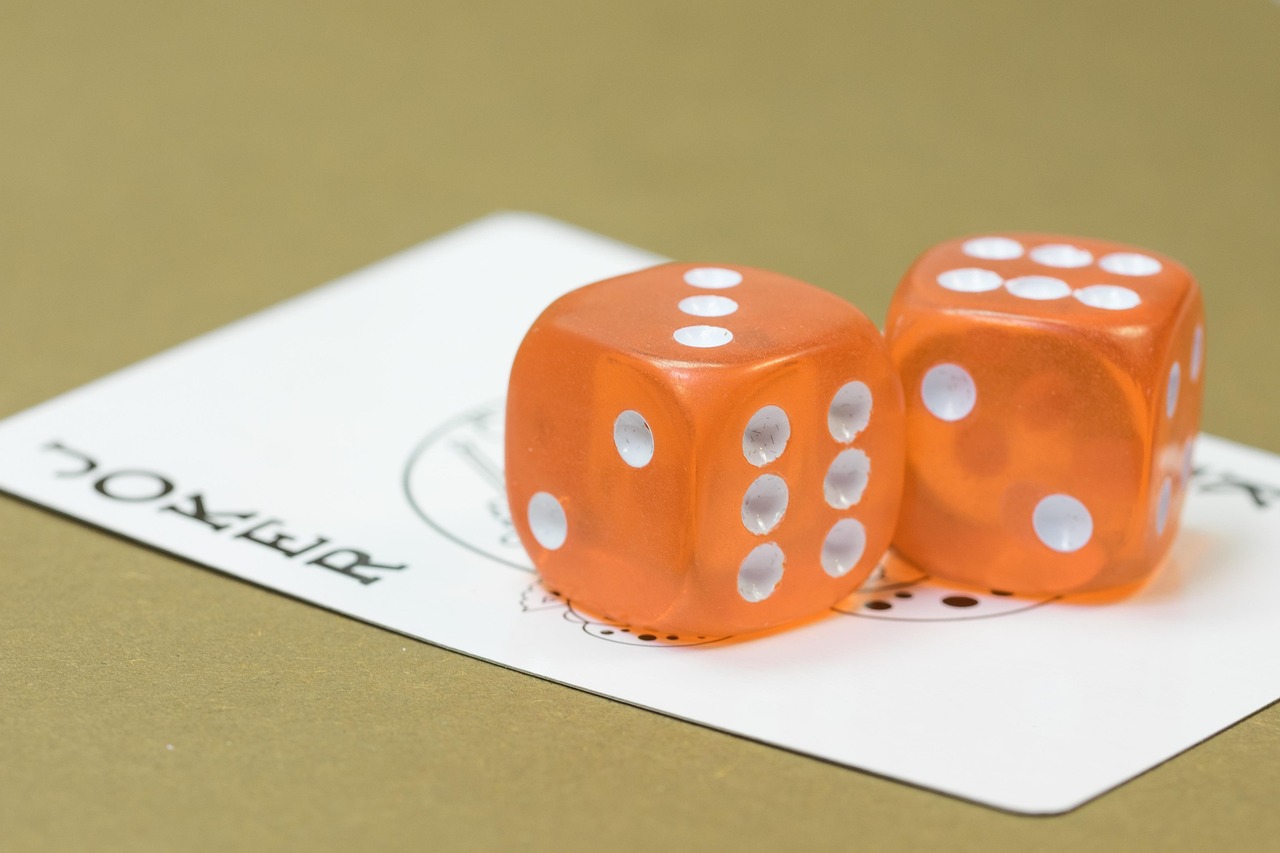
The Real Math Behind Slot RTPs (And Why It Matters)

Most players pick a slot the same way they pick a restaurant on vacation: the sign looks nice, a friend mentioned it once, and there's no time to read reviews. That's fine for dinner. It's a terrible strategy for your bankroll. The single most useful number on any slot's info page is the return to player percentage, or RTP, and almost nobody actually looks at it. Let's fix that.
What RTP actually measures
RTP is the theoretical percentage of all money wagered on a game that gets paid back to players over millions of spins. A 96% RTP slot returns, on average, 96 cents for every dollar cycled through it. The remaining 4% is the house edge. That does not mean you personally lose 4% per session. Variance and luck dominate short-term results. Over a weekend, a 95% game can pay you triple your deposit, and a 97% game can drain you dry. Over a year of heavy play, the math grinds toward the predicted number.
Here's the part most guides skip: RTP is calculated on total turnover, not your starting balance. If you deposit $100 and spin it through ten times before losing it, you've wagered $1,000. At 96% RTP, the expected loss is roughly $40, not $4. That's why grinding small bets through a bonus with a 40x wagering requirement is so much more expensive than it looks. The wagering requirement applies to turnover, and RTP applies to turnover too. The two multiply.
The spread that should change your game choice
Not all slots are created equal, and the gap is wider than most players assume. Online slots commonly range from 94% to 97.5%. For practical tips, check out az888.br.com.
- Megaways titles from Big Time Gaming and similar studios often sit around 96% or slightly higher.
- Classic three-reel or "fruit" slots frequently land between 94% and 95.5% because they offer simple, frequent hits.
- Progressive jackpot slots sometimes drop to 92-94% on the base game, with the missing percentage feeding the growing jackpot.
- High-volatility favourites like Book of Dead hover near 96.2% at default settings — but check the settings.
That last point deserves its own paragraph. Many slots let operators choose between RTP versions of the same game. Book of Dead has appeared with RTPs around 94.25%, 96.21%, and even higher in some configurations. Pragmatic Play's Gates of Olympus exists at 96.5% and at a reduced version in the low 94s. Same artwork, same bonus, different long-term math. If a casino doesn't publish RTP in the game info panel, that's a soft red flag. Reputable operators show it, usually behind an "i" icon or a help menu.
House edge in table games and what it tells you about slots
Comparing slots to blackjack or roulette is genuinely useful context. Perfect basic-strategy blackjack sits around 0.5% house edge. European roulette charges 2.7%. American roulette doubles that to 5.26% because of the extra double-zero pocket. A 96% RTP slot has a 4% house edge — competitive with bad roulette, much worse than disciplined blackjack.
But slots bring something blackjack doesn't: the chance of a 5,000x multiplier. Blackjack players can grind for hours and book a 40% profit. Slot players are buying lottery tickets with entertainment attached. Neither approach is wrong as long as you know which one you're choosing. The mistake is grinding a 94% slot for hours expecting blackjack-like durability.
The poker exception: skill flips the equation
Poker is the one vertical in this list where the house takes a fixed rake and the rest is between players. That changes everything. In a cash game, the rake is typically 5% capped between $2 and $5 depending on stakes. Your win rate comes from exploiting opponents, not from beating a fixed edge.
Rakeback and bonuses matter enormously in poker because volume is the whole game. A grinder playing 60,000 hands a month might pay tens of thousands in rake and earn a meaningful chunk back. Compare that to slots, where no loyalty program meaningfully offsets a 4% edge. Casino comps typically return 0.1% to 0.5% of turnover. Poker rakeback can return 20% to 50% of rake. If you enjoy both, poker rewards study and bankroll discipline in a way slots simply cannot.
Practical checklist before you spin
- Open the game info panel and find RTP. If it's under 95%, you can still play — just know what you're paying for the entertainment.
- Check the volatility. Low volatility means frequent small wins and longer sessions on a fixed bankroll. High volatility means deep dry spells and rare big hits.
- Read bonus wagering terms. A 96% slot with 40x wagering on a $100 bonus requires $4,000 in turnover. Expected cost is roughly $160 against a $100 bonus. Do that math before accepting.
- Set session limits in turnover terms, not time. "I'll spin 500 times at $0.50" is more useful than "I'll play for an hour."
- Avoid chasing jackpots with money you need. The jackpot contribution is pulled from the RTP you're already paying.
One more concrete detail: autoplay and turbo modes do not change RTP. They change speed. At 100 spins per minute instead of 40, you're cycling through your bankroll 2.5 times faster, which means the house edge compounds against you 2.5 times faster in real time. The math is identical per spin. Your exposure is not.
What this all means in practice
The difference between a 94% and a 97% slot is not obvious in a single session. It's the difference between losing $60 and $30 over the same turnover, every time you play, forever. Multiplied across a year of regular play, choosing high-RTP games and low-wagering bonuses is the closest thing to a strategy most slot players will ever have.
None of this makes slots a predictable income stream. They aren't, and anyone telling you otherwise is selling something. What it does is turn a blind gamble into an informed purchase of entertainment with a known price tag. That's not a small shift. Players who understand RTP, volatility, and wagering requirements play longer, tilt less, and stop chasing losses they were mathematically doomed to lose. The sign on the slot machine might look nice, but the number inside the help menu is the one actually talking to you.