How to Prepare for Your First Author Interview as a Book Blogger
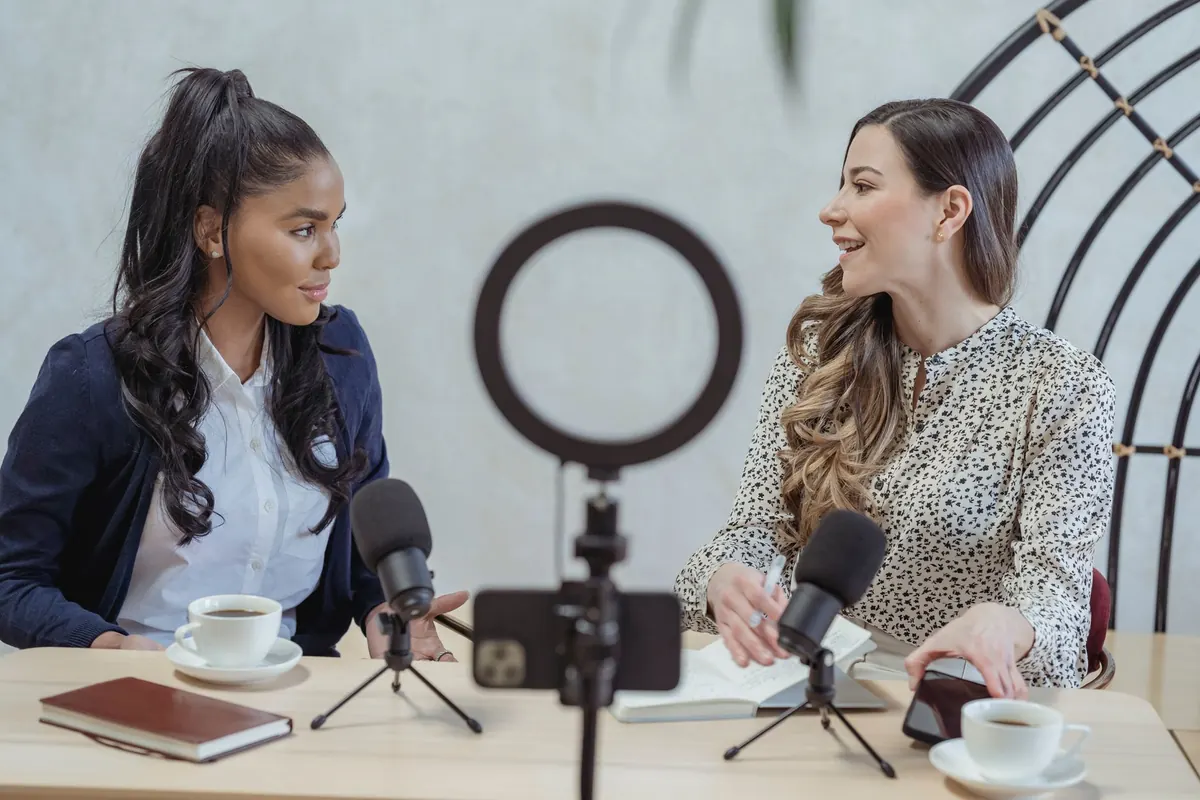
You have read the book twice, you have a list of questions, you have sent the email that says "I would love to interview you" - and now you are staring at a blank document wondering what you have let yourself in for. That feeling is normal. First interviews are rarely disasters; they are usually just a little shapeless. The cure is not confidence. It is preparation, done in the right order.
Start with the book, not the questions
Read the book properly, with a pencil in hand. Mark the three or four moments that made you stop: a sentence you reread, a scene that did not quite work, a decision you disagreed with. Those marks are your interview. "Where do you get your ideas?" invites a rehearsed answer that the author has given twenty times. "On page 84, when Ellen decides to stay, I expected her to leave - what made you keep her there?" invites something real.
Then read around the author. Skim their earlier books, and read two or three interviews they have already given. Not to copy, but to work out what has been asked to death. If you can predict the answer before they give it, cut the question. Their existing interviews also tell you how they sound: guarded, funny, academic, anecdotal. Match your tone to theirs rather than dragging them into yours.
Keep one research document with the basics - how their name is spelled, how they describe themselves, what they have published and when. Check details against their publisher's page or their own website rather than trusting a memory or a stray comment on social media.
Decide what the interview is actually for
Before you approach anyone, know the shape of the finished thing: written Q&A or recorded conversation, roughly how long, where it will run, and what a reader will get from it that they cannot get from the book itself. A 900-word email Q&A and a 40-minute podcast need completely different questions. Written answers reward precision and allow the author to polish; a recording captures hesitation, humour and the way someone talks when they forget they are being interviewed.
Give yourself one clear angle, too. "The story behind the book" is an angle. "A novelist on writing about grief without wallowing" is a better one. A single line of enquiry gives the piece a spine and makes editing far easier when you have four times more material than you can use.
The pitch and the practicalities
Your first email should be short enough to read on a phone. Say who you are, where the interview will appear, why this author and this book, and exactly what you need. Then cover the logistics in a short list:
- Format and length - written questions by email, or a call of around 30 minutes, published at roughly 1,200 words.
- Timing - offer two or three specific slots, with time zones written out in full.
- Deadlines - when you need their answers, and when the piece will go live.
- Permission - ask, in writing, to record the conversation and to quote them. An email is enough, and it protects you both.
- Details - preferred spelling of their name, pronouns, and how they would like to be described.
- Approval - confirm whether they would like to see the finished piece before publication, and be clear about what that does and does not include.
Send your questions in advance if the format allows it, and say so plainly if you would rather not. Some authors write far better answers when they have had time to think; others go flat when they have prepared. Pick one approach and tell them which you have chosen.
Build a structure, not a script
Three parts will carry almost any interview. Open with something easy and factual to warm up the voice: what they are reading at the moment, or how they would describe the book to someone who has not heard of it. Move into the substance: structure, character, research, revision, doubt. Close by looking forward - what they are working on next, and what they hope readers take away.
Questions that do more work than they look
"Can you give me an example?" "What did you cut?" "Which scene was hardest to get right, and why?" "What surprised you about the response?" These are plain questions that produce detailed answers. Avoid anything answerable with yes or no, and never stack two questions together - people answer the second one and forget the first.
Prepare about fifteen questions for a thirty-minute conversation, and expect to abandon half of them. The list is a safety net, not a route map.
Recording, testing and looking after the material
Test everything the day before. Record sixty seconds, play it back, and check that you can hear both voices clearly. If you can, run two recorders - a laptop and a phone - so that a crash costs you nothing. Use headphones, sit somewhere quiet, and put your phone on silent but not face-down on a hard table, where the vibration will thump through your microphone.
In the moment, remember that the best follow-up questions are three words long: "Why not?" "What changed?" "How so?" Let a silence sit for a second longer than feels comfortable; people tend to fill it with the most interesting thing they say all day. Do not argue with the book mid-interview - you can disagree in your introduction afterwards. And if you lose your thread, say so. Authors are used to it, and honesty is quicker than bluffing.
Turning a conversation into something people finish reading
Transcribe early, while you still remember the tone of voice behind each answer. Then cut hard. Forty-five minutes of talk will usually yield around 1,200 words of good material. Keep the answers that show thinking; cut the ones that only promote. Light tidying for clarity is normal and expected, but changing meaning is not. If you condense an answer, mark the cut honestly rather than stitching two separate remarks into one sentence. Above all, resist the urge to smooth a distinctive voice into your own prose.
Write a short introduction that puts the book in context for readers who have not read it, and close with a line telling them where to find it. If the author has asked to see the piece before it runs, send it with a clear note about what you can and cannot change at that stage.
A checklist for the night before
- Read your three strongest questions aloud. If any of them sounds clumsy out loud, rewrite it now.
- Check the time zone twice, and write the appointment down in the same calendar you actually look at.
- Charge everything, and find the charger in case the recording runs long.
- Have water within reach and a clock you can see without unlocking a screen.
- Open a blank page for notes and a second room for the backup recording.
- Draft the first sentence of your introduction, so you are not starting from nothing when the transcript lands.
Do those six things and the interview itself becomes the easy part. Most first-timers worry about being interesting enough; in practice, the job is to be curious, specific and quiet in the right places. Get those right and the author will do the rest.
Photo: George Milton / Pexels